Injuries Summary
This article discussed the psychological reflections of classical ballet dancers who have experienced injuries. “Initially reported feeling a host of negative emotions such as anger, fear, distress and depression. These emotions gradually diminished as they progressed through rehabilitation and returned to training and were replaced with more positive emotions such as relief, optimism, joy, and interest/excitement” (Macchi & Crossman). As the rehabilitation progressed, so did the dancer’s psychological state as well. Once they could see that their injury was lessening they showed more optimism and hope of returning to train. During the time of injury, there are a number of different levels of emotional disturbance that the dancer experienced, as mentioned – guilt, depression and so forth. Dancer who have been injured thus try to be “more careful when dancing, try to use better technique, stretch more and modify exercises to avoid reinjury” (Macchi & Crossman).
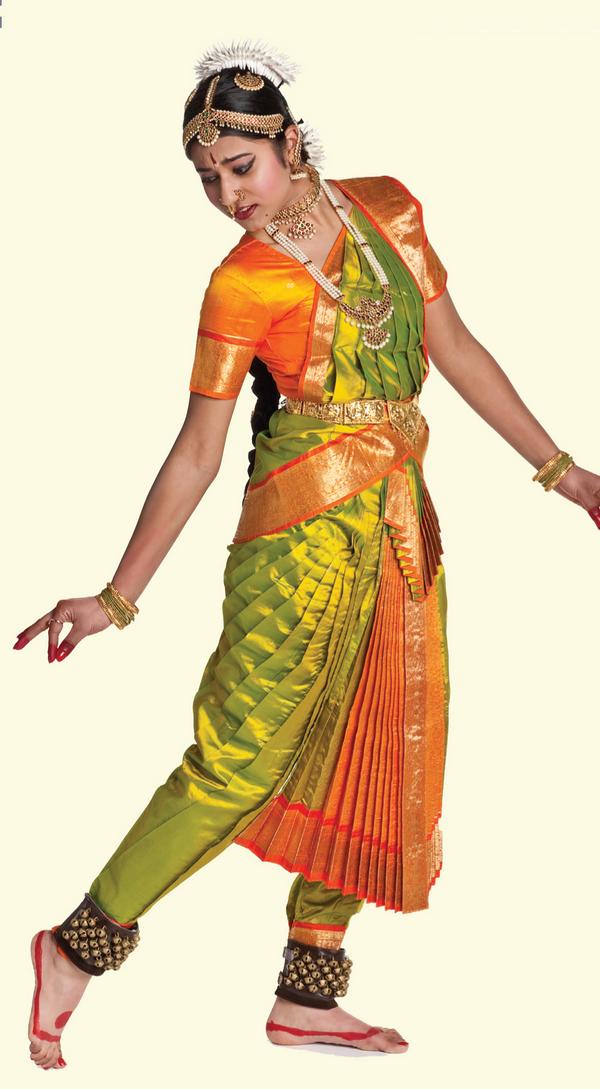
I can definitely relate to this article because I injured my knees during training for my graduations performance which is 3 hours in length - one and a half hours then a 20 minute break where costumes are changed and then another one and a half hours of solid dancing. There are about 8 different dances, once dance being about 30 minutes in length before the intermission. This relies a great deal on your working memory and somewhat of your long term memory because you have to remember choreography for dances you learned when you started training a year and a half prior to the date of your performance. Due to the way my knees were positioned respectively for this type of dance and the constant repetition of certain movements a muscle holding my knee cap in place became quite weak. Once one of these muscles weaken, it acts as a chain reaction and all the muscles do not work properly, allowing the knee cap to slide out of the grove it sits in. Despite my involvement in this type of dance for 13 years, the intensity of training for this graduation performance was very high. There is a lot of stress places on the body and the mind especially since a majority of my training took place during my grade 12 highschool year and due to the fact that i was traveling from Ancaster to Mississauga for classes. At that time I was also working paralell on group choreography for our first academy production. I also had a heel injury as well and had to dance the night of the performance with my heel and toes bandaged as well as knee pains. Injuries are quite a psychological blow to a dancer especially when the thought comes to mind that if this is serious, this could be the end of his or her dancing career. During the time I was training, due to the pain I broke down in tears after the orchestra rehearsals and had the thought of how am I going to pull this dance off with pain. After the performance I went to see a couple of specialists and kinesiologists. This is when I found out how sever the injury was, because we did not think much of it because everyone previously who complete this performance had some pain, but not to the degree I was experiencing it. When I heard what the real cause was, I became somewhat depressed because I had to stop dancing and go for physiotherapy in order to strengthen the muscle around the knee cap and hold it in place. I felt like such a vegetable in the first month and a half of the treatment because I was in a lot of pain and the fact that I would not be able to return to dance for a good while. I was a very saddening feeling especially when you see your classmates participate in a performance that you could have been in. Sometimes you feel angry at yourself. As the months went by, my muscles started to get stronger and that gave me hope. Since muscles have memory, the muscles in my knee would adjust to the exercises and progressively strength even though the process takes a while. I keep telling myself that its best to take time off of dancing and fix this injury now than to have to suffer from it in the future; so that gives me hope as well. My family is very supportive of the treatment also. I am still currently undergoing physiotherapy and off dance but the muscle strengthening is slowly but surely improving.
© 2009 - Niagara College: Psychology 1100 Porfolio Assignment
Sangeeta Bahadur
